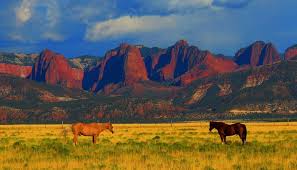
Equestrian Properties
Horse Properties and Equestrian Real Estate in Southern Utah
Washington County's rural communities offer acreage properties with corrals, barns, and trail access — where the horse lifestyle is still very much alive.
Important: Horse and livestock privileges depend on current zoning, deed restrictions, HOA rules, lot size, and local regulations — all of which can change. Always verify with the applicable county or city planning department before purchasing.
Horse Properties in Southern Utah
Washington County's varied terrain — from the desert floor near St. George to the high-elevation meadows of New Harmony and Pine Valley — creates genuine diversity in equestrian real estate. Properties with acreage, corrals, barns, arenas, and direct trail or BLM land access exist throughout the rural communities surrounding the St. George metro area.
Southern Utah's outdoor lifestyle is a natural fit for equestrian buyers. Many rural properties sit within short distances of BLM riding land, and the mild climate allows for year-round riding across most of the lower-elevation communities. The combination of red-rock scenery, open terrain, and authentic Western culture makes Washington County one of the most appealing locations in the Intermountain West for the horse lifestyle.
Finding the right horse property requires looking beyond the listing photos at zoning designations, water availability, HOA status, and lot configuration. Working with an experienced local agent who knows Washington County's rural communities is essential to identifying properties that genuinely support the lifestyle you're looking for.
Key Considerations Before You Buy
Horse privileges are not automatic. These factors determine whether a property will work for your equestrian needs.
Zoning & Permitted Use
Horse privileges depend first on zoning. Washington County and each incorporated city have their own animal-keeping regulations specifying minimum lot sizes, number of animals permitted, setback requirements, and permitted agricultural uses. Verify zoning and permitted use directly with the applicable planning department before purchasing.
Lot Size & Minimum Acreage
Most jurisdictions require a minimum lot size before livestock is permitted. Common minimums range from half an acre to several acres depending on animal type and local code. Confirm the specific minimum with the county or city where the property is located.
HOA Restrictions
Many neighborhoods within Washington County have HOAs that prohibit or significantly restrict animals. A subdivision that appears rural may have CC&Rs banning livestock entirely. Always review HOA documents, CC&Rs, and bylaws during your due diligence period.
Water Availability
Horses require substantial water daily. Confirm that the property has adequate culinary water access, irrigation water, or well access to support both residential use and livestock. Water rights and water shares are separate issues that should be reviewed carefully.
Facilities & Infrastructure
Evaluate the condition and adequacy of any existing corrals, barns, arenas, fencing, and trailer access. Adding or modifying these structures may require building permits. Review local requirements with the appropriate permitting authority.
Access to Trails & Riding Areas
Proximity to BLM land, state trails, and riding areas varies significantly across Washington County. Some rural communities offer direct access to miles of open riding land; others are more isolated. Research specific trail access for any property you are seriously considering.

New Harmony, Utah
The Heart of Southern Utah Equestrian Country
New Harmony sits at approximately 5,100 feet elevation in a broad valley between Pine Valley Mountain and the Hurricane Cliffs, just 30 miles from downtown St. George. The community is characterized by large agricultural lots, a genuine rural lifestyle, and sweeping views of the surrounding landscape.
Many New Harmony properties feature corrals, outbuildings, and direct access to open riding country. The combination of elevation (which provides slightly cooler summer temperatures), agricultural heritage, and proximity to Zion National Park and Brian Head makes New Harmony one of the most distinctive rural communities in Washington County.
View New Harmony listingsCommunities with Equestrian Potential
The following communities commonly have properties with larger lots, rural character, or agricultural zoning. Always verify horse privileges for any specific parcel with the applicable planning authority.
New Harmony
Large agricultural lots, rural character, trail access
Dammeron Valley
Spacious parcels, high-desert privacy
Diamond Valley
Large acreage properties northwest of St. George
Apple Valley
Rural acreage near Zion, agricultural use
Enterprise
Agricultural land, large lots, rural Utah lifestyle
Virgin
Small-acreage properties in the Virgin River corridor
Gunlock
Off-grid rural properties near Gunlock Reservoir
Pine Valley
Mountain setting, seasonal mountain horse properties
A Note on Water for Horse Properties
Horses require significant water daily. Before purchasing any rural property for equestrian use, confirm the water source (culinary water service, private well, or irrigation shares), the adequacy of that source for your intended use, and any water rights or shares that may convey with the property.
Water rights in Southern Utah are separate from land ownership and can be complex. Consult with a water rights attorney or title company experienced in Washington County water law before purchasing any rural property where water availability is critical to your intended use.
Washington County Water Laws OverviewFind Southern Utah Homes with Acreage and Horse Privileges
Walter Crovo knows Washington County's rural communities and can help you identify properties that genuinely support the equestrian lifestyle you're looking for.